

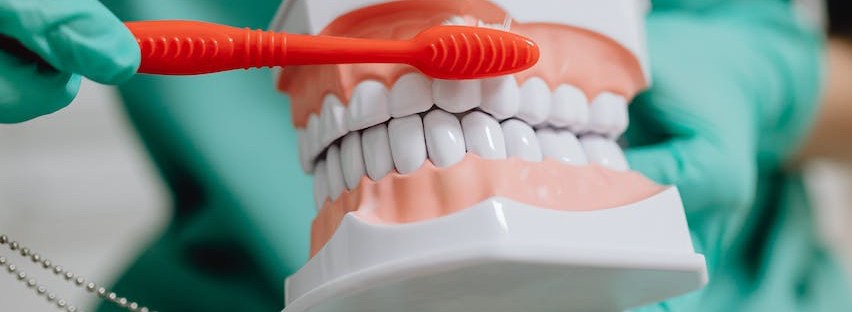
Tooth pain occurs when there is irritation, inflammation, or damage to the nerves within the teeth or the surrounding structures. it is a type of reactive nerve pain that originates from inside the teeth in response to particular stimuli. Tooth pain refers to discomfort or ache in or around a tooth. The severity of tooth pain can vary from mild to severe ,and it can be constant or intermittent.

Tooth pain can also be accompanied by other symptoms such as difficulty in chewing, sensitivity to hot or cold drinks, and swelling. Tooth pain is a common problem that affects people of all ages and can be caused by a variety of factors. Tooth pain should not be ignored, as it may indicate an underlaying dental issue that requires attention.
What Are The Causes of Tooth Pain?
Tooth pain can present itself in many ways, such as inflamed or irritated gums, a bad taste in the mouth due to infection, headache, fever, and aches from applied pressure on gums. If you are experiencing a real pain in the tooth and is dirupting you day by day. The following factors contribute to the occurrence of tooth pain:
- Dental Decay (Cavities): The most common cause of tooth pain is dental decay, also known as cavities. Bacteria in the mouth produce acids that break down the tooth’s protective layer of enamel, leading to the formation of holes or cavities. As the decay progresses, reaching to the inner layer of tooth, where sensitive nerve fibers are present. When these nerves are exposed to hot or cold stimuli, it causes tooth pain.
- Tooth Sensitivity: When the outer protective layer of tooth enamel is worn down, it leads to exposing the underlying layer, dentin. Dentin contains microscopic tubules that connect to the nerves inside the tooth. Theses microscopic tubules allow the external stimuli to reach the nerves which leads to sensitivity and pain in the tooth.
- Bruxism(Teeth Clenching): Teeth clenching or grinding can wear down the enamel, leading to tooth sensitivity and pain.
- Dental Trauma: Trauma to the teeth due to accidents or injuries can cause tooth pain. Fractures or cracks of the tooth can expose the inner sensitive nerves, resulting in tooth pain.
- Gingivitis(Gum Inflammation): Inflammation and infection of the gums can cause pain and tenderness. As the inflammation of the gum progresses, it can disrupt the outer supporting layer of the teeth which makes the teeth loose and painful.
- Dental Abscess: An abscess is a painful infection that forms at the root of the tooth or between the tooth and gum. It is caused by bacteria entering the tooth through the crack, cavity, or gum disease. The infection can lead to severe throbbing pain and swelling.
- Impacted Wisdom Teeth: Wisdom teeth that do not have enough space to erupt properly can become impacted, leading to pain, swelling, and possible infection.
- Dental Procedures: Tooth pain can occur as a temporary side effect after certain dental procedures, such as filling or root canal.
- Sinus Infections: In some cases, pain from sinus infections can be perceived as tooth pain, especially in the upper back teeth.
if you experience tooth pain, it’s crucial to visit a dentist or medical professional for a thorough examination and appropriate treatment. A dentist can diagnose the cause of tooth pain and provide the necessary care to alleviate the discomfort and maintain your oral health.
How To Prevent Tooth Pain?
To prevent toothache, you have to take proper care of your teeth and gums. you can follow these preventive measures and maintain good oral hygiene:
1. Daily Tooth Brushing:
Brush your teeth at least twice a day using fluoride toothpaste and a soft toothbrush. Brush for at least two minutes, covering all tooth surfaces and your tongue.
2. Floss Daily:
Flossing helps remove plaques and food particles from between your teeth and along the gum line, where a toothbrush can’t reach.
3. Use Mouthwash:
Incorporate an antibacterial mouthwash into your oral hygiene routine to reduce bacteria in your mouth and freshen your breath.
4. Stay Hydrated:
Drink plenty of water throughout the day to keep your mouth hydrated and help wash away food particles and bacteria.
5. Eat Healthy Diet:
Include a variety of fruits, vegetables, whole grains, and lean proteins in your diet to promote overall oral health.
6. Limit sugary and acidic foods:
Reduce your consumption of sugary and acidic foods and beverages, as they contribute to tooth decay and enamel erosion.
7. Avoid Smoking and Tobacco Use:
Smoking and using tobacco products can lead to various oral health problems, including gum disease and oral cancer. Avoiding these habits can significantly improve your oral health.
8. Use a Soft Toothbrush:
Choose a soft-bristled toothbrush to avoid damaging your teeth enamel and gum tissues while brushing.
9. Wear Mouthguards:
If you engage in contact sports or activities with a risk of dental injury, wear a mouthguard to protect your teeth from potential trauma.
10. Visit Your Dentist:
Schedule regular dental check-ups, if you have tooth problems and cleanings every six months or as recommended by your dentist.
By following these preventive measures and maintaining good oral hygiene practices, you can significantly reduce the risk of toothache and maintain a healthy smile.
Kill Tooth Pain Nerve In 3 Seconds By Natural Remedies:
you can try some natural remedies to temporarily kill your tooth pain nerve, it’s essential to remember that these remedies are not substitutes for professional dental care. If you experience persistent or severe tooth pain, it’s crucial to seek professional dental care as soon as possible. However here are some natural remedies that may provide temporary relief to your tooth pain:
- Clove Oil: Clove oil contains natural numbing properties and can help reduce tooth pain. Soak a cotton ball in clove oil and apply it to the affected area for a few minutes. Be cautious not to apply it directly to the gum, as it can cause irritation.
- Saltwater Rinse: Mix a teaspoon of salt in a cup of warm water and gently rinse your mouth with the solution. This can help reduce inflammation and kill bacteria.
- Ice Pack: Applying a cold pack or ice wrapped in a cloth to the cheek near the painful tooth can help reduce swelling and numb the area, providing temporary relief.
- Peppermint Tea Bags: Steep a peppermint tea bag in hot water for a few minutes, then allow it to cool slightly. Place the warm tea bag against the affected area for about 20 minutes. Peppermint has natural analgesic and anti-inflammatory properties that can help soothe tooth pain.
- Garlic: Crush a clove of garlic to form a paste, mix it with a pinch of salt, and apply the mixture directly to the painful tooth. Garlic has antimicrobial properties that can help reduce bacteria and provide some relief.
- Guava Leaves: Chew on fresh guava leaves or boil them in water to make a mouthwash. Guava leaves have anti-inflammatory and analgesic properties that can help reduce tooth pain and gum inflammation.
- Coconut oil pulling: Swish a tablespoon of coconut oil in your mouth for 15-20 minutes and then spit it out. Oil pulling may help reduce bacteria in the mouth and promote gum health.
- Cold Cucumber Slices: Place a chilled cucumber slice on the affected tooth for a soothing, cooling effect that can help reduce pain temporarily.
- Aloe Vera Gel: Apply a small amout of aloe vera gel to the painful tooth and surrounding gums. Aloe vera has anti-inflammatory properties that may help reduce discomfort.
- Over-the-counter pain relievers: Over-the-counter medications like acetaminophen or ibuprofen can help reduce tooth pain and inflammation. Follow the recommended dosage and use as directed.
Remember that these remedies are only temporary measures and should not replace professional dental care. Tooth pain can indicate various underlying issues, such as dental decay, infection, or gum problems, which require proper evaluation and treatment by a dentist. Ignoring tooth pain or attempting self-treatment can lead to more significant dental problems, so it’s essential to seek professional help for an accurate diagnosis and appropriate care.
Medical Treatment To Relieve Tooth Pain Permanently:
When you visit a dentist, they will conduct a thorough examination, possibly take X-rays, and identify the cause of your tooth pain. Once the cause is determined, they can recommend the appropriate treatment to alleviate the pain and address the underlying issue. Treatment options may include:
1. Dental fillings: If the tooth pain is caused by a cavity or minor decay, a dental filling can restore the tooth’s structure and relieve the pain.
2. Root canal treatment: If the tooth’s nerve and pulp are infected or damaged, a root canal procedure may be necessary to remove the affected tissue and save the tooth.
3. Tooth extraction: In some cases, if the tooth is severely damaged or cannot be saved, extraction may be necessary to prevent further complications.
4. Gum treatment: If the pain is related to gum disease or inflammation, professional cleaning, and gum treatments may be recommended.
5. Antibiotics: If there is an infection, the dentist may prescribe antibiotics to control the spread of the infection.
6.Desensitizing Agents: For tooth sensitivity, desensitizing toothpaste or other agents may be recommended to help reduce sensitivity to hot, cold, sweet, or acidic foods.
7. Dental Crowns or Inlays: For more extensive damage or fractures, dental crowns or inlays may be used to restore the tooth’s function and alleviate pain.
8. Pain Relief Medications: Over-the-counter pain relievers like acetaminophen or ibuprofen may be recommended to help manage pain and inflammation.
9. Dental Sealants: If tooth pain is caused by early stages of decay or to prevent cavities, dental sealants can be applied to the chewing surfaces of the molars to protect them from bacteria and acids.
10. Dental Bonding: Dental bonding involves the application of a tooth-colored resin material to repair chipped, cracked, or worn-down teeth, which can alleviate pain and improve the tooth’s appearance.
Remember that these treatment options are general suggestions and may not be appropriate for your specific situation. It’s essential to visit a dentist for a proper evaluation and diagnosis. A dentist will determine the underlying cause of your tooth pain and recommend the most suitable treatment to address the issue effectively and provide lasting relief.
Kill Tooth Pain Nerve In 3 Seconds Permanently: By Two Effective Ways
There are two effective ways to get instant relief from your tooth pain
1.Extracting the affected tooth entirely
2.Removing the nerve from the tooth
Both of these techniques result in removing the nerve from the affected tooth that causes tooth pain, giving immediate relief from tooth pain. Root Canal Treatment (RCT) involves separating the nerve from the tooth, which can only be done by a dentist. Once the nerve is removed, the relief is instant.
 HealthyApple